
America's Spaceplane® · Space Transportation
Dream Chaser® Spaceplane
Reusable, runway-capable space transportation designed for payload delivery, in-space operations, and low-G return from low Earth orbit.
Mission capability
Payload Delivery and Return
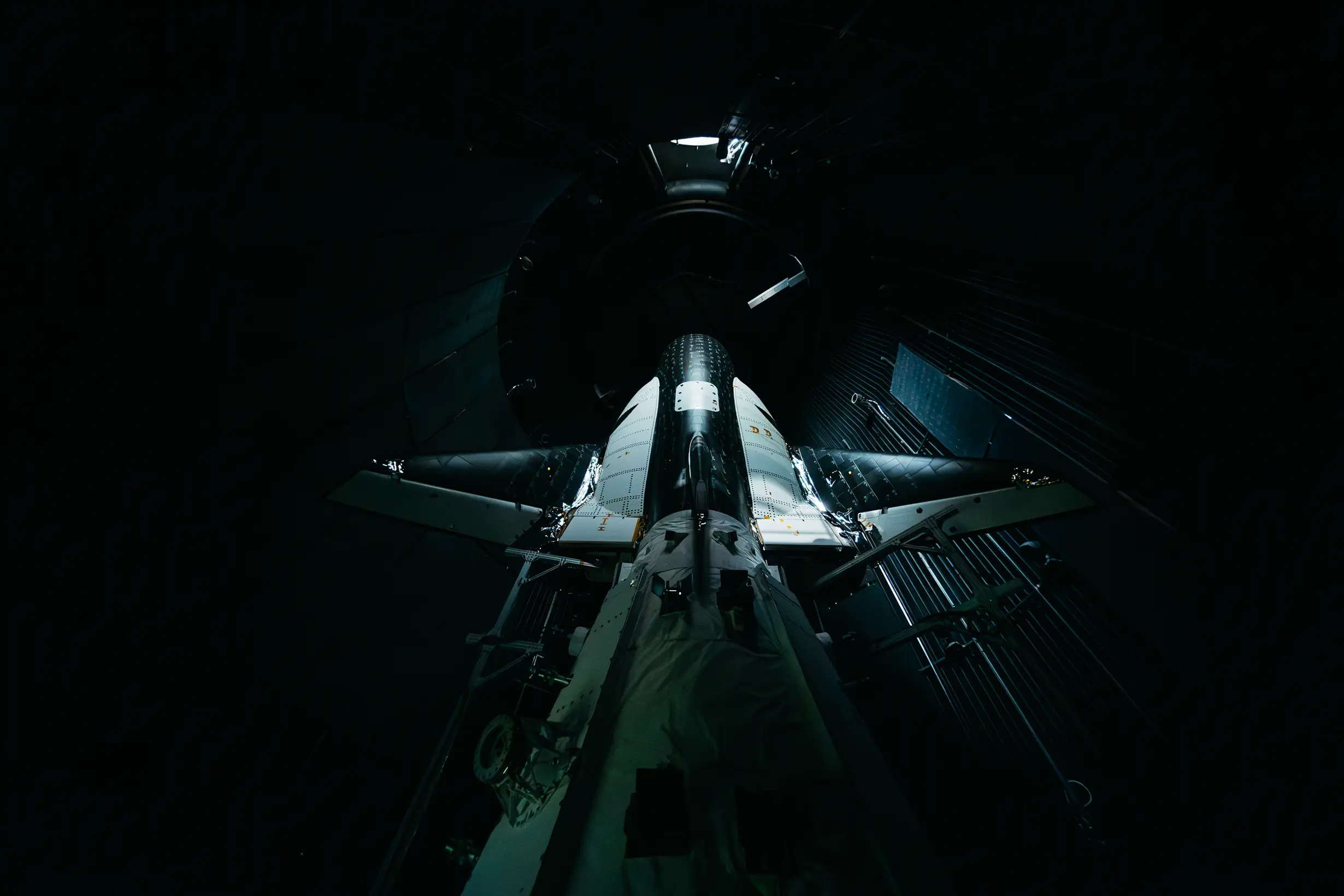
Dream Chaser® brings the flexibility of a lifting-body spaceplane to cargo missions. Tenacity® is designed to launch in a stowed configuration inside a 5m payload fairing, protecting the vehicle during ascent.
Payload access
Built for Sensitive Payloads
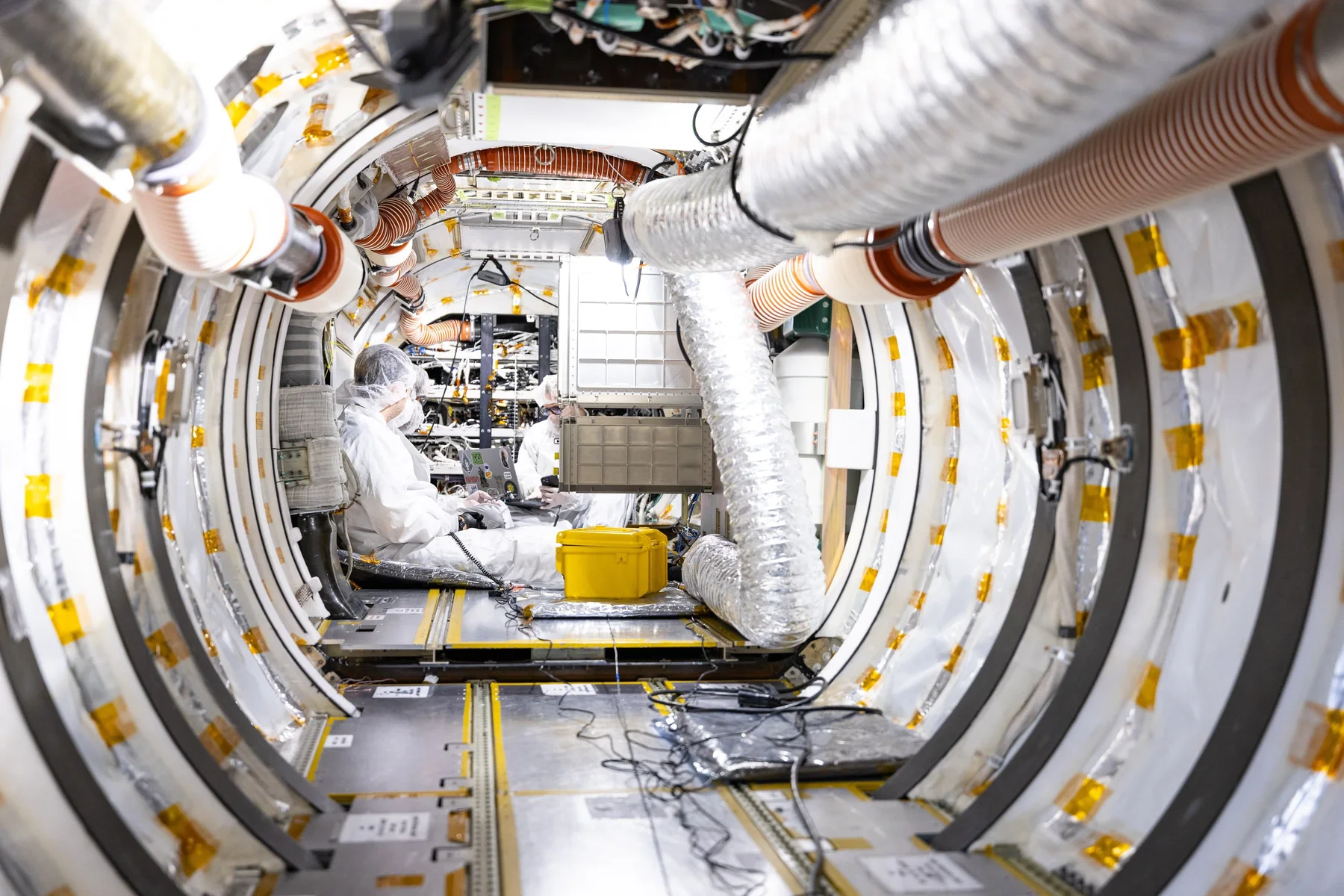
Low-G return and runway recovery provide a direct path from orbit to payload access. The approach supports customers planning missions with sensitive, time-critical, or high-value cargo.
Mission flexibility
One Platform, Multiple Mission Types
Sierra Space announced signed payload contracts with undisclosed national security and commercial customers for Dream Chaser’s inaugural mission on September 2, 2026. The planned flight will serve those customers together with civil customers through NASA’s cargo resupply program. Dream Chaser is preparing for its inaugural mission.
Cargo module
Shooting Star® Cargo Module
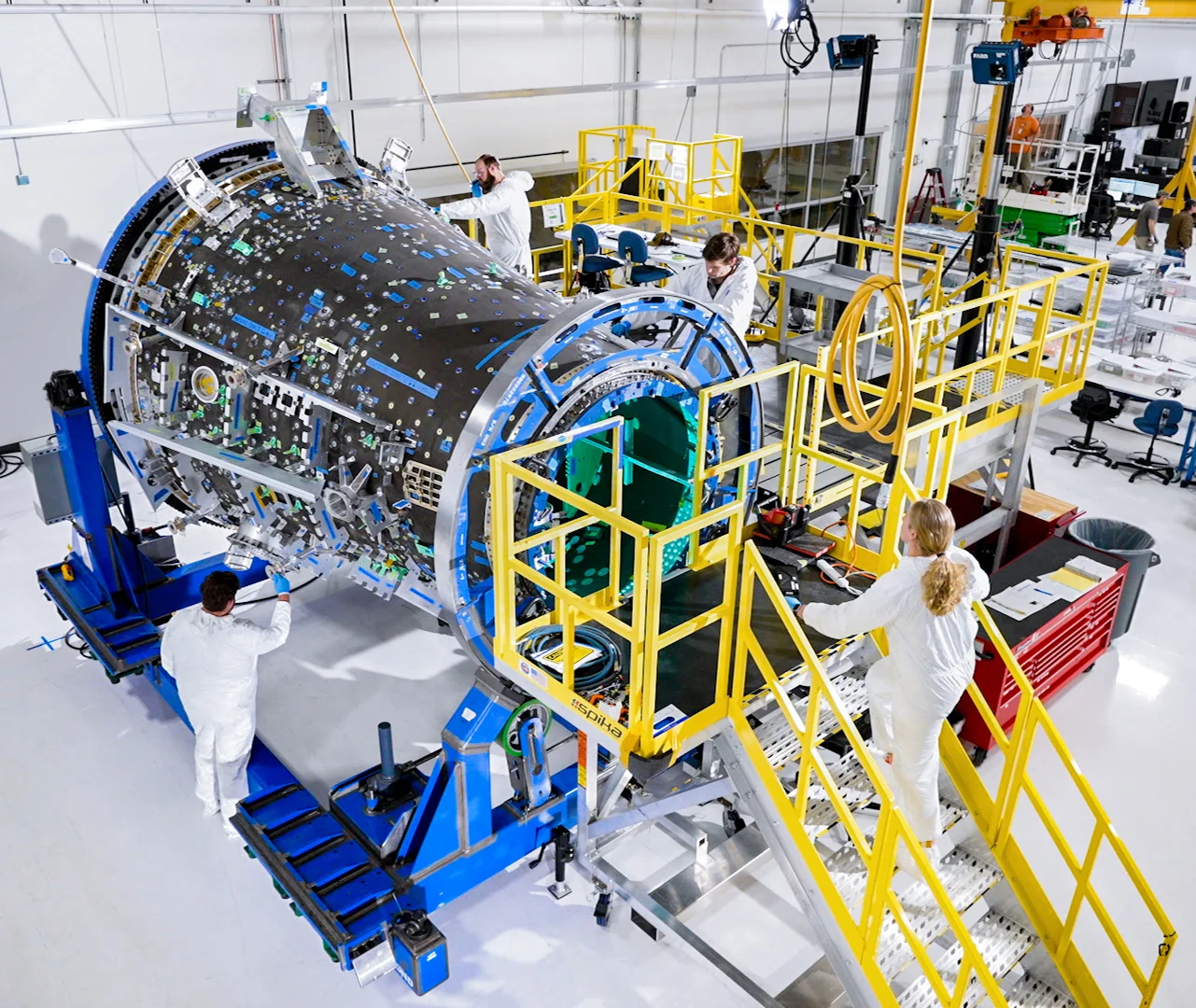
Shooting Star® adds pressurized and unpressurized cargo capacity to the Dream Chaser system. The cargo module is designed to operate attached to Dream Chaser and includes external mounting points. In the CRS-2 berthing configuration, crews can access Shooting Star through an aft hatch and then reach Dream Chaser through a forward hatch. At mission end, Shooting Star separates for disposal by burning up in Earth’s atmosphere; Dream Chaser is designed to carry returning payloads to a runway.
Recovery
From Space to Runway
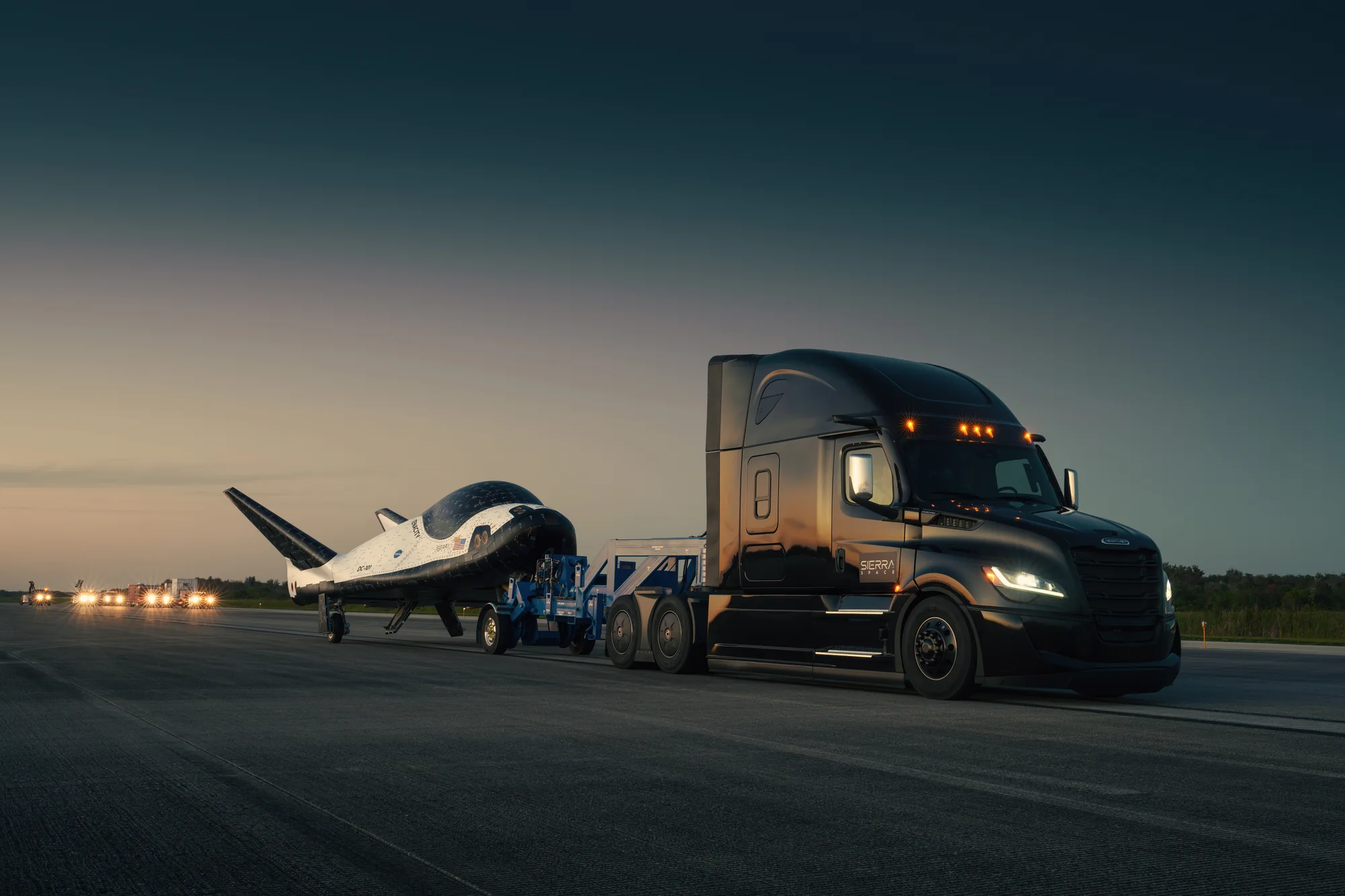
Dream Chaser is designed for autonomous atmospheric return and landing on a compatible runway. In 2017, Sierra Space conducted an autonomous atmospheric test flight of a Dream Chaser test vehicle. On descent over the California desert, that test vehicle autonomously deployed its landing gear and touched down on the runway at NASA’s Armstrong Flight Research Center in Edwards, California, demonstrating the lifting-body design.
Questions
Dream Chaser FAQs
- What is Dream Chaser®?
- Sierra Space’s reusable, runway-capable spaceplane designed to transport payloads to and from low Earth orbit.
- How does Dream Chaser® return to Earth?
- The spaceplane is designed to reenter as a lifting-body spacecraft and land on a compatible runway, supporting low-G payload return.
- What is Shooting Star®?
- The cargo module designed to fly attached to Dream Chaser®. It adds cargo capacity, has external mounting points, and separates for atmospheric disposal at mission end; only Dream Chaser returns payloads to a runway.